

Fuel card acceptance depends on payment network agreements between card providers and fuel station operators. Branded cards, such as those issued through Sunoco, work at company-owned and franchised locations displaying the Sunoco brand. Universal cards work across most fuel brands through agreements giving users access to a large share of stations nationwide. The Sunoco Fleet Universal Card, for example, is accepted at 95% of U.S. gas stations. Understanding acceptance networks helps match fuel cards to operational territories.
The Sunoco Business Fleet Card provides access through the defined Sunoco fueling network. That network includes over 5,000 Sunoco stations.
WEX-powered universal cards, like the Sunoco Fleet Universal Card, are accepted at 95% of fuel station locations nationwide.
The Sunoco Fleet Universal Card is accepted at 95% of U.S. gas stations. Apply today.
Branded Fuel Station Networks
Brand-specific cards generally work only at stations displaying the fuel company’s signage. For instance, the Sunoco brand-specific card works at Sunoco stations. These closed networks typically offer fuel rebates or tighter integration with brand loyalty programs than multi-brand universal cards.
Branded network size varies significantly by region. Some fuel companies maintain thousands of locations in their primary markets but have limited presence elsewhere. Businesses operating where branded stations are common may find strong convenience. Operations in areas with limited branded presence may experience coverage gaps.
Universal and Multi-Brand Network Cards
Universal cards work across multiple fuel brands because of merchant agreements. WEX-powered universal cards, like the Sunoco Fleet Universal Card, are accepted at 95% of fuel station locations nationwide.
This broad acceptance comes with tradeoffs. Universal cards typically do not offer per-gallon rebates at off-brand stations. Businesses prioritizing convenience and coverage over maximum discounts often choose universal fleet cards.
Payment Processor Networks
Major fuel card networks operate through a payment processor such as WEX. Processors establish agreements with thousands of individual fuel retailers to accept their cards. Network composition changes as processors add or lose participating merchants.
Network directories list participating stations. Online station locators and mobile apps identify which locations accept specific cards. These tools are designed to help drivers plan routes around available fueling options and minimize unnecessary detours.
Truck Stops and Travel Centers
Commercial truck stops are important fueling locations for fleets operating larger vehicles. Major travel center chains typically participate in multiple fleet card networks. These locations provide diesel fuel, parking and services designed for commercial vehicles.
Over-the-road drivers rely on truck stop networks for long-haul fueling. Cards accepted at major travel centers along interstate highways support nationwide transportation operations. Limited truck stop acceptance can significantly restrict routing options for commercial vehicles.
Dedicated Truck Fueling Lanes
Large truck stops typically separate truck diesel lanes from automobile gasoline areas. For heavy-duty operations, fleet cards typically need to be authorized for commercial fueling lanes, rather than just standard auto pumps. Some network agreements apply only to specific fueling areas within a facility, so verify acceptance before use.
Geographic Coverage and Regional Variations
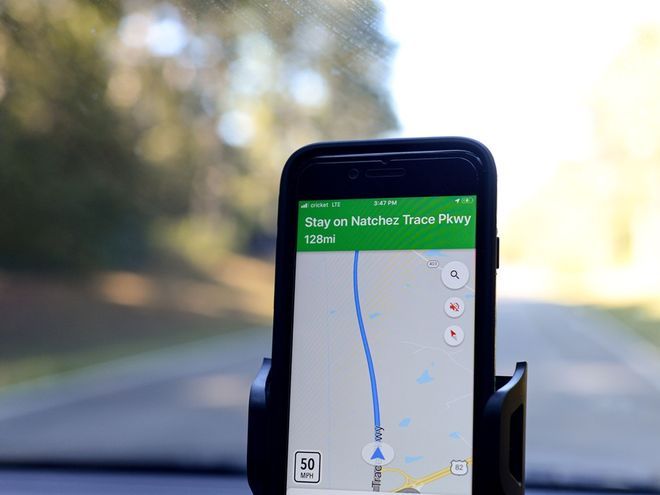
Acceptance density varies by region. Urban areas typically offer numerous accepted stations within a small geographic area. Rural regions may have stations spaced considerably farther apart. Fleets operating in less-populated areas may need cards with broad geographic coverage to reduce the risk of drivers running low on fuel between accepted stations.
Some fuel brands have stronger regional coverage than others. This regional concentration can provide strong local coverage but may offer limited value in areas where the brand has few locations. Businesses operating across multiple regions may benefit from a universal card with broader acceptance.
Interstate Highway Coverage
Long-haul operations often prioritize acceptance along major trucking routes. Cards should work at stations located along interstate highways, not just in metropolitan areas. Evaluate network coverage along corridors such as I-95, I-40, I-10 and other freight routes relevant to your operations.
Exit-by-exit station data supports route planning. Some network tools can identify highway exits with participating stations, helping drivers plan fuel stops before beginning long trips.
Independent Stations and Small Chains
Independent stations make up a substantial portion of the national fueling network. NACS reports that around 55% of fuel-selling stores in the U.S. are single-store operators. Many participate in universal card networks even though they do not display major brand signage. Fleet cards accepted at independent stations provide additional fueling options beyond branded chains.
Independent station participation varies by payment processor. A station may accept one universal network but not another. Station signage often displays accepted card logos, although fleet card acceptance is not always clearly identified.
Regional Chains and Local Brands
Regional fuel chains operate within specific geographic areas. Some participate in fleet card networks while others offer proprietary card programs. Their participation can improve convenience for fleets operating in those regions.
Verify acceptance before assuming compatibility. Some stations accept major credit cards and yet may not accept certain fleet cards. Checking network directories or contacting stations directly helps confirm acceptance before routing drivers.
How to Find Accepted Stations
Many mobile apps make station locations readily available to drivers. Location-based searches are designed to quickly identify nearby participating stations. Some programs include navigation features that help drivers reach selected locations. Many fleet card programs include digital tools for locating accepted stations.
Route Planning with Acceptance Mapping
Advanced station locators support route planning for longer trips. Users can map routes and identify accepted stations along the way, allowing fuel stops to be planned before travel begins.
Filter options refine search results. Users can search for 24-hour locations, diesel stations, truck stop facilities or stations offering specific services. These filters help drivers locate stations matching their operational needs.
Many mobile apps make station locations readily available to drivers. Location-based searches can automatically identify nearby participating stations.
Acceptance at Service and Maintenance Locations
Some fleet cards extend beyond fuel purchases to include automotive service centers. Tire shops, oil change providers and repair facilities may accept certain fleet cards for maintenance expenses. The Sunoco Fleet Universal Card, for example, is accepted at over 45,000 service locations. This can help consolidate vehicle-related spending into a single payment system.
National service chains may participate in fleet card networks. Service acceptance varies by card program and location. Businesses seeking maintenance coverage should verify participating service providers before relying on this feature.
Discounts at Participating Service Locations
Some fleet card programs offer negotiated discounts at participating service providers. Discounts may be available at selected maintenance facilities, depending on the program.
Service location directories function similarly to fuel station locators. Searchable databases can identify participating maintenance shops and the services they offer, helping fleet managers locate nearby repair options.
Acceptance Verification Before Card Selection
Confirming acceptance within actual operating territories is a practical way to help minimize coverage surprises after implementation. Businesses should review network maps showing where cards are accepted within their service areas before selecting a program. Coverage where vehicles regularly operate is often more useful than broad national network statistics.
Sample route analysis provides a practical way to evaluate acceptance. Fleet managers can map common routes and count participating stations along those paths to better understand day-to-day usability.
Pilot Programs Test Real-World Functionality
Some businesses conduct pilot programs before a fleet-wide rollout. Testing cards with a small number of vehicles over several weeks can show how well the network performs during normal operations. Drivers can report coverage gaps, acceptance issues and other operational concerns.
Pilot results help guide deployment decisions. If testing identifies frequent acceptance problems, businesses can evaluate a different card program before issuing cards across the entire fleet.
Acceptance network alignment affects day-to-day convenience and usability. Network coverage should be evaluated carefully when selecting a fleet fuel card program. Find the right card for your business needs at sunocofleetcards.com.