

Fleet fuel cards incorporate multiple security layers designed to help control spending, prevent unauthorized purchases and detect fraudulent activity. Unlike standard credit cards, which rely primarily on signatures or chip verification, fuel cards typically combine driver PINs, vehicle identification numbers, spending limits, purchase restrictions, time-based controls, geographic boundaries and real-time monitoring to create a strong security framework.
Understanding security features helps managers configure cards appropriately. The Sunoco Business Fleet Card provides configurable controls to help protect against unauthorized use.
Driver PIN Verification at Point of Purchase
Personal identification numbers create the first security barrier at fuel pumps. Cards are designed to block transactions without correct PIN entry, even when physically present at payment terminals. This verification layer helps ensure the assigned driver is making purchases rather than unauthorized individuals who may have stolen or borrowed cards.
PIN systems work differently from signature-based credit cards. Signatures provide weak verification since anyone can sign receipts. PINs require knowledge only authorized drivers should possess. Thieves with stolen cards face blocked transactions unless they also know the associated PINs.
PIN Management and Reset Procedures
Initial PINs are typically assigned during card setup. Drivers can change PINs through online account portals or mobile apps to select numbers they can remember. Some systems enforce PIN complexity rules requiring specific lengths or forbidding simple patterns like “1234.”
Forgotten PINs require secure reset procedures. Identity verification through security questions, account numbers or manager authorization helps prevent unauthorized individuals from resetting PINs to gain card access. Temporary lockouts after multiple incorrect PIN attempts can help deter guessing attacks.
Vehicle Identification Number Prompts
Some fuel cards prompt drivers to enter vehicle numbers, unit IDs or license plate numbers before authorizing transactions. The system compares entered information against preconfigured data associated with each card. Incorrect entries trigger transaction declines even when valid PINs are provided.
Vehicle verification adds a second authentication layer beyond PINs. Thieves would need both the stolen card and knowledge of the associated vehicle identifier. This dual-factor authentication makes fraud more difficult than systems relying on a single verification method.
Some fuel cards prompt drivers to enter vehicle numbers, unit IDs or license plate numbers before authorizing transactions.
Odometer Reading Verification
Mileage prompts serve two purposes: fuel efficiency tracking and fraud detection. Systems can flag transactions where odometer readings seem inconsistent with previous entries. A vehicle showing 10 miles traveled since its last fueling, with a purchase of 25 gallons, may trigger alerts suggesting fuel theft or data-entry errors.
Configurable Spending Limits as Security Controls
Transaction amount caps prevent large fraudulent purchases. Even if unauthorized individuals bypass other security measures, limits restrict how much they can spend per transaction. A $150 transaction limit is designed to prevent a driver from purchasing $500 worth of fuel and merchandise in one attempt.
Daily, weekly and monthly limits operate as secondary controls. Fraudsters who make multiple small purchases under transaction limits eventually hit time-based thresholds, which will stop further activity. Overlapping limit types create multiple barriers rather than relying on a single control point.
How Limits Reduce Theft Exposure
Conservative limits minimize potential losses from compromised cards. A fleet manager who sets $100 daily limits on cards knows maximum exposure is $100 per card per day, even if security is breached. This calculated approach helps contain potential fraud impact.
The effectiveness of these limits depends on alignment with actual needs. Limits set too high provide insufficient protection. Limits set too low create operational friction when legitimate purchases are declined. The right balance matches security with operational requirements.
Purchase Type Restrictions Prevent Non-Fuel Misuse
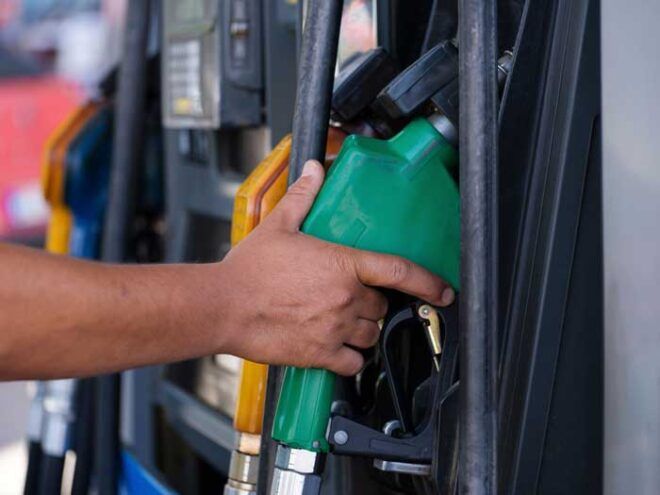
Product category controls block unauthorized convenience store purchases. Cards configured for fuel-only mode decline snacks, beverages, tobacco products and other non-fuel items even when PINs are correct and limits are not exceeded.
Fuel-only settings reduce misuse opportunities. Cards become less useful to thieves when they cannot purchase anything except gasoline or diesel. This restriction helps protect against both external theft and employee misuse of company cards for personal shopping.
Granular Product Code Filtering
Some systems distinguish between fuel grades, automotive supplies, car washes and convenience items through merchant product codes. Fleet managers can allow premium fuel and oil while blocking other purchases. This level of control helps prevent specific misuse while allowing legitimate operational purchases.
Some operations require fleet cards with the capability to pay for fuel and maintenance. Selectively enabling categories allows tire shops, oil changes and repair services while still blocking restaurant meals or personal items.
Time-Based Access Controls
Operating-hour restrictions are designed to automatically decline card usage outside business hours. A company running Monday through Friday from 7 AM to 5 PM can configure cards to be inactive during weekend and weeknight hours.
Time-based controls also help prevent employee misuse. Drivers cannot fuel personal vehicles on Saturday mornings when company vehicles are idle. After-hours restrictions enforce appropriate use without requiring manual card collection and redistribution.
Flexible Scheduling for Varied Operations
Different vehicle types need different time windows. Day-shift vehicles might operate from 6:00 AM to 3:00 PM, while night crews need access from 11:00 PM to 7:00 AM. Individual card schedules accommodate diverse operational patterns without compromising security.
Geographic Restrictions Limit Where Cards Work
Location-based controls confine card acceptance to designated regions, states or ZIP code ranges. A Massachusetts-based fleet might restrict cards to New England states. Attempted transactions in Florida or Texas automatically decline, preventing the use of stolen cards outside the business’s service area.
Real-Time Transaction Monitoring and Alerts
Configurable alert triggers let managers choose which events warrant notifications.
Immediate notification systems can help managers respond quickly to suspicious activity. When cards are used to attempt purchases outside the configured parameters or exhibit unusual patterns, automated alerts are sent by email or text message within minutes. Early detection helps minimize fraud exposure compared with discovering problems weeks later through monthly statements.
Configurable alert triggers let managers choose which events warrant notifications. Some may want alerts for every declined transaction. Others may prefer notifications only for high-value attempts or specific violation types. Customization helps prevent alert fatigue while maintaining awareness.
Instant Card Deactivation Capabilities
Rapid deactivation limits exposure. The faster stolen cards are deactivated after discovery, the less opportunity exists for fraudulent purchases. Mobile apps allow instant deactivation from smartphones, helping managers respond quickly even when away from office computers.
Replacement Card Issuance
New cards ship quickly after deactivation. Replacement cards carry different card numbers to prevent the old card from being reactivated. Rush shipping options help minimize operational disruption when drivers need immediate replacements.
Some systems provide temporary digital card credentials while physical replacements ship. These virtual numbers work for phone orders or certain payment terminals, allowing continued operations before physical cards arrive.
EMV Chip Technology for Enhanced Card Security
Chip-enabled cards use embedded microprocessors to generate unique transaction codes for each purchase. Unlike traditional magnetic stripes, EMV chips generate dynamic authentication codes for each transaction, making card cloning significantly more difficult.
Chip transactions require physical card presence at chip-reading terminals. Stolen card data alone is insufficient for fraudulent in-person purchases. Thieves need the physical card, not just copied data, reducing the effectiveness of data-breach attacks.
Magnetic Stripe Backup for Older Terminals
Fuel cards typically include both chip and magnetic stripe capabilities. Some fuel stations still lack chip readers. Magnetic stripes provide backward compatibility while chip technology offers stronger security at compatible terminals. Dual-mode cards work across a wider range of locations while providing the highest available security at each location.
Chip-preferred transaction processing attempts chip reads first and falls back to magnetic stripes only when necessary. This approach maximizes stronger security measures while maintaining compatibility with older infrastructure.
Training and Policy Enforcement
Technology alone does not ensure security. Driver training on proper card handling, PIN confidentiality and immediate theft reporting adds a human layer of protection. Clear policies regarding acceptable use, consequences for misuse and reporting procedures help reinforce technological controls.
Regular security reminders help maintain awareness. Drivers may become complacent over time. Periodic communication about security features, proper procedures and examples of prevented fraud helps keep security top of mind.
To learn more about how fleet cards can help with fleet security, visit sunocofleetcards.com.