
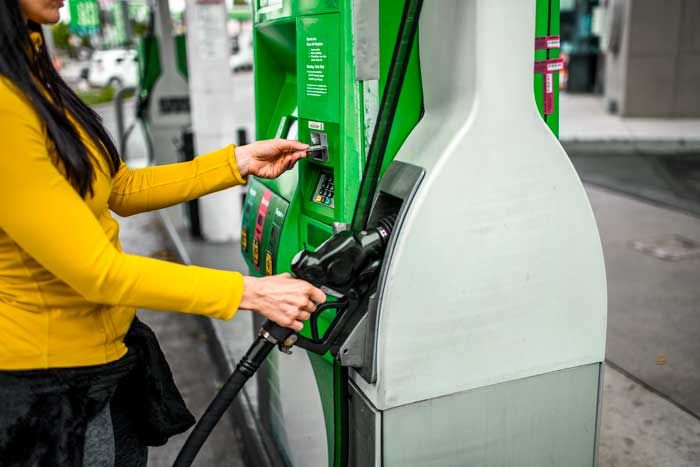
Fleet fuel cards are specialized payment alternatives to credit cards and cash. These fuel cards can be used at participating fuel stations’ gas pumps. Drivers swipe their assigned card, enter a form of identification and the system authorizes the purchase. When activated, transactions can be limited based on preset spending limits and other transaction controls. With every purchase, detailed transaction data is captured, providing several metrics ideal for fleet management tracking.
Fleet managers can improve their control over fleet-related expenses simply by adding a fleet card to their management toolbox. The Sunoco Business Fleet Card is a great option for simplifying fueling, generating fuel savings, and providing spending oversight.
Fleet fuel cards feature customizable purchase limits and controls to help prevent unauthorized purchases.
The Fuel Card Payment Process at the Pump
Payment authorization happens in seconds. Drivers insert the fuel card into the payment terminal at any in-network fuel station. The terminal then prompts for verification, typically through a driver PIN or odometer reading. Once verification is complete, the system checks purchase limits and spending controls before authorizing the transaction.
Fleet fuel cards feature customizable purchase limits and controls to help prevent unauthorized purchases. The card will not approve fuel if spending limits have been reached or if purchase restrictions do not match the transaction type. Managers can set these parameters through online account portals.
Purchase limits are a powerful and very effective way to enforce fuel spending policies. Just make sure your limits and controls are aligned with the spending parameters outlined in your policy.
Authentication Requirements Vary by Card Type
Different fleet cards use different verification methods. Some require numeric PINs. Others ask for vehicle numbers or odometer readings.
PIN codes are great for driver-specific tracking, where vehicle numbers or odometer readings work for equipment-based monitoring. Some cards require both, giving fleet managers a lot of flexibility in how they view fleet card data.
How Purchase Controls Operate During Transactions

Real-time controls filter what drivers can buy. Fleet managers configure spending parameters, and the payment network automatically enforces those limits at the fuel pump. These controls can restrict purchase types to fuel only, block non-essential items, cap transaction amounts, and limit daily spending.
Card networks communicate with payment terminals to enforce restrictions. If a driver attempts to buy unauthorized merchandise, the terminal declines the transaction. Fuel purchases may still be processed while convenience store items are blocked. This happens instantly without manager intervention.
Transaction-Level Spending Limits Reduce Unauthorized Costs
Per-transaction caps prevent single large purchases. Daily limits control total spending over 24-hour periods, while weekly and monthly thresholds provide broader budget management. Fleet cards can be programmed with multiple overlapping limits, each of which must be met before authorization is approved.
A card might allow $200 per transaction but only $800 per week. Both restrictions apply simultaneously. The payment network checks every limit before approving fuel purchases. When any threshold exceeds its maximum, the transaction is declined at the pump, and the fleet manager or business owner is notified via push notification or alerts.
Every transaction made with a fleet fuel card generates transaction data, providing a level of detail not available with credit cards.
Where Fleet Fuel Cards Work Nationwide
Acceptance networks determine where drivers can fuel. The Sunoco Fleet Universal Card works at 95% of gas stations across the country and earns rebates on every gallon purchased at a Sunoco-branded fuel station. The branded Sunoco Business Fleet Card works exclusively at Sunoco locations but has fewer fees.
Station Locators Help Drivers Find Accepted Locations
Mobile apps and online tools show nearby accepted stations. Drivers can search by address, ZIP code or current GPS location. The locator displays station addresses, available services, operating hours and distance from the driver’s position.
Route planning becomes simpler with station data, helping long-haul drivers map fuel stops along their routes using accepted network locations. This prevents situations where drivers arrive at stations where rebates are not offered or at locations where their card is not accepted.
Transaction Data Captured at Every Fuel Purchase
Every transaction made with a fleet fuel card generates transaction data, providing a level of detail not available with credit cards. Payment terminals capture date, time, station location, fuel type, gallons pumped, price per gallon, total transaction amount, driver identification, vehicle number and odometer reading
The information flows automatically to a fleet card dashboard. Traditional receipt management requires drivers to save paper receipts, fill out expense reports, and then submit them for expense tracking. Fuel cards eliminate this manual process by transmitting transaction details electronically to the fleet manager’s account dashboard. Data collection happens without any driver paperwork.
How Fuel Rebates Apply at Participating Stations
Fuel rebate programs can help reduce per-gallon costs. Rebates may apply automatically at the pump. However, most fleet card rebates are applied at the end of a billing cycle on the monthly statement. Fuel rebates vary by fleet card provider, and companies like Sunoco consistently have competitive rebates and often have larger promotional rebates for new accounts.
Take advantage of purchase controls and automated data working together. Explore your Sunoco fleet card options at sunocofleetcards.com.